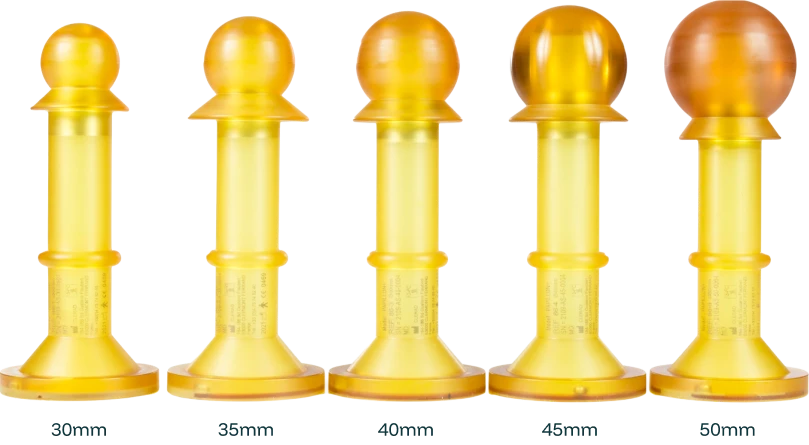
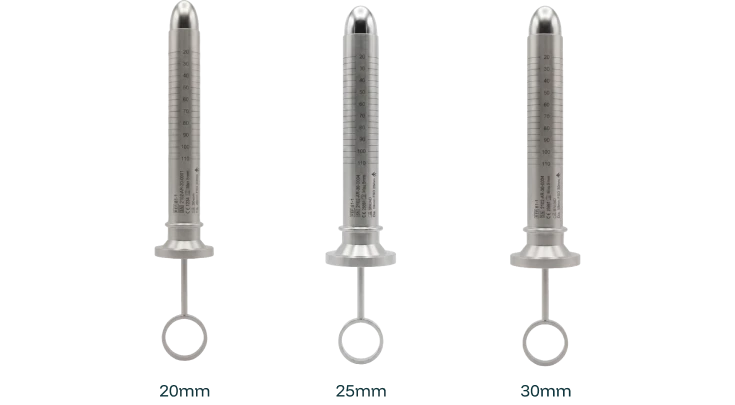
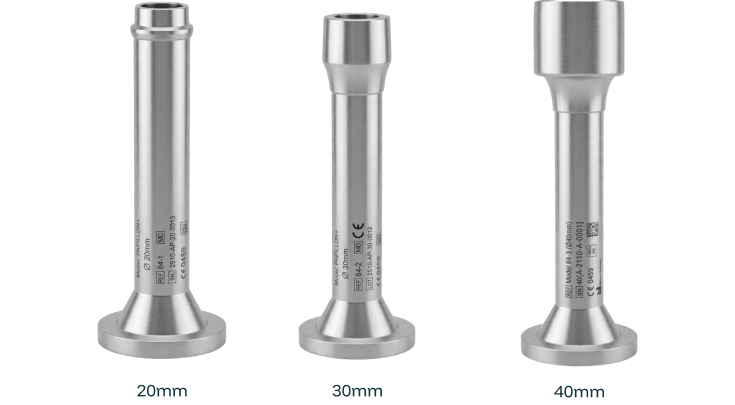
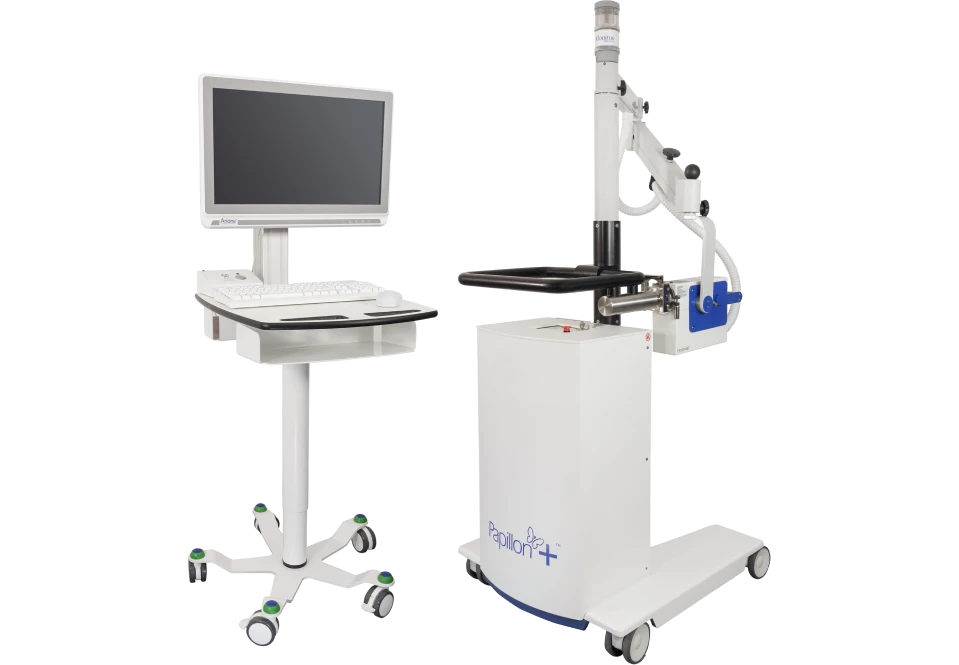
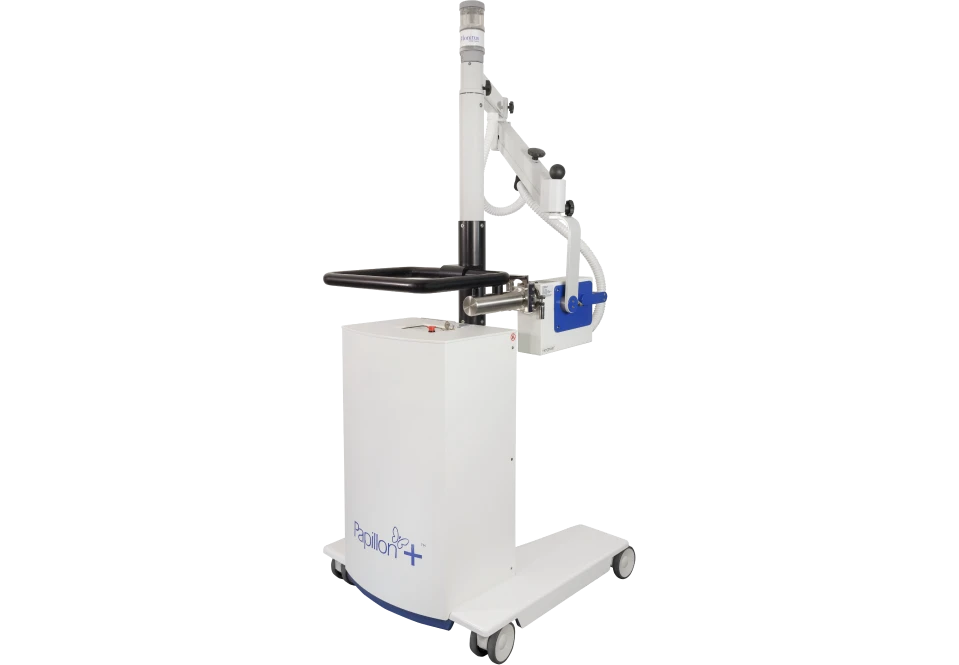
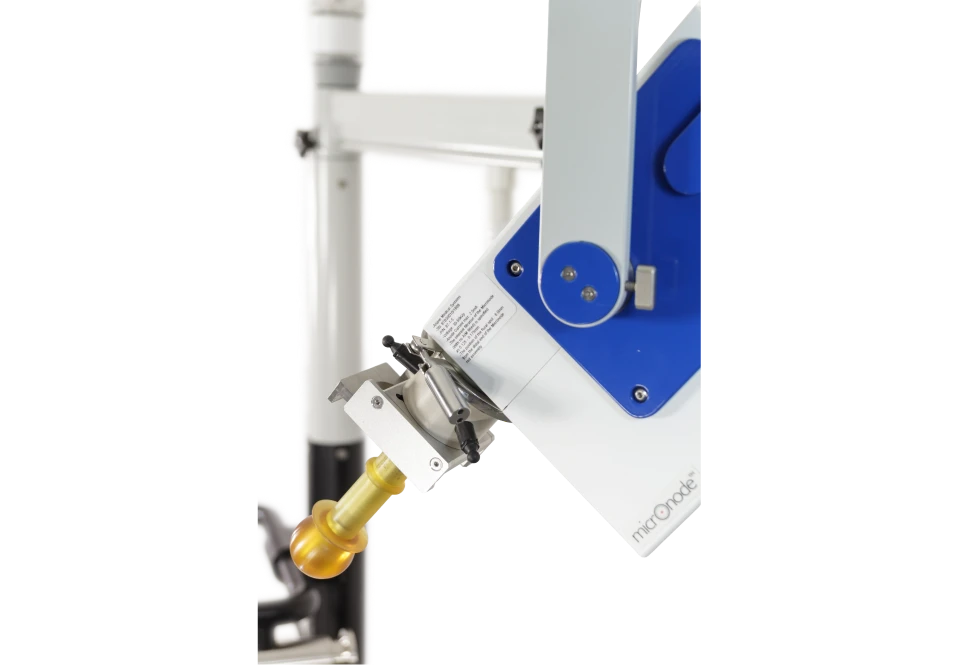
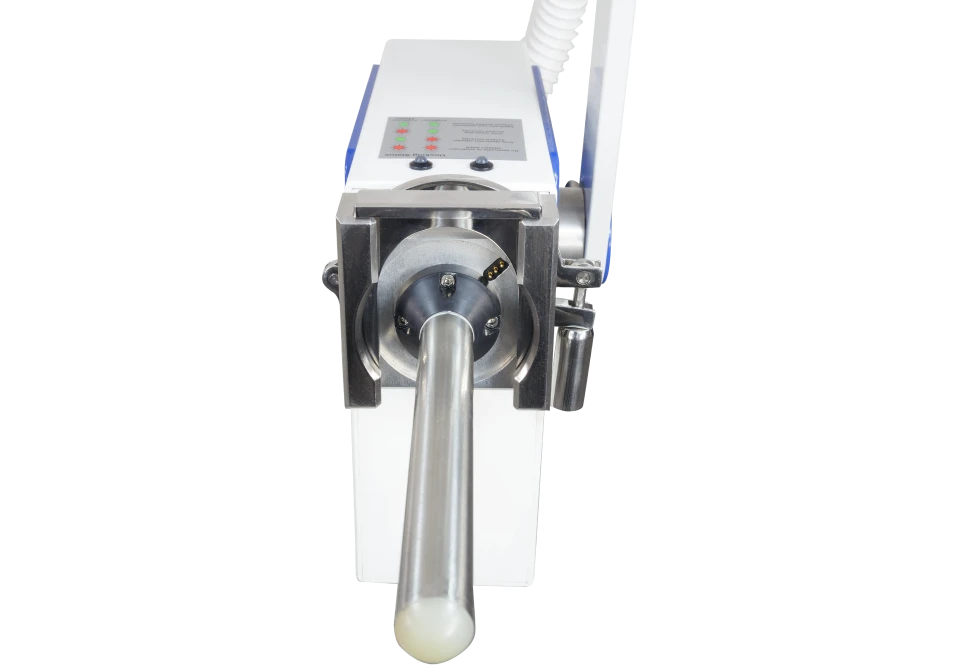
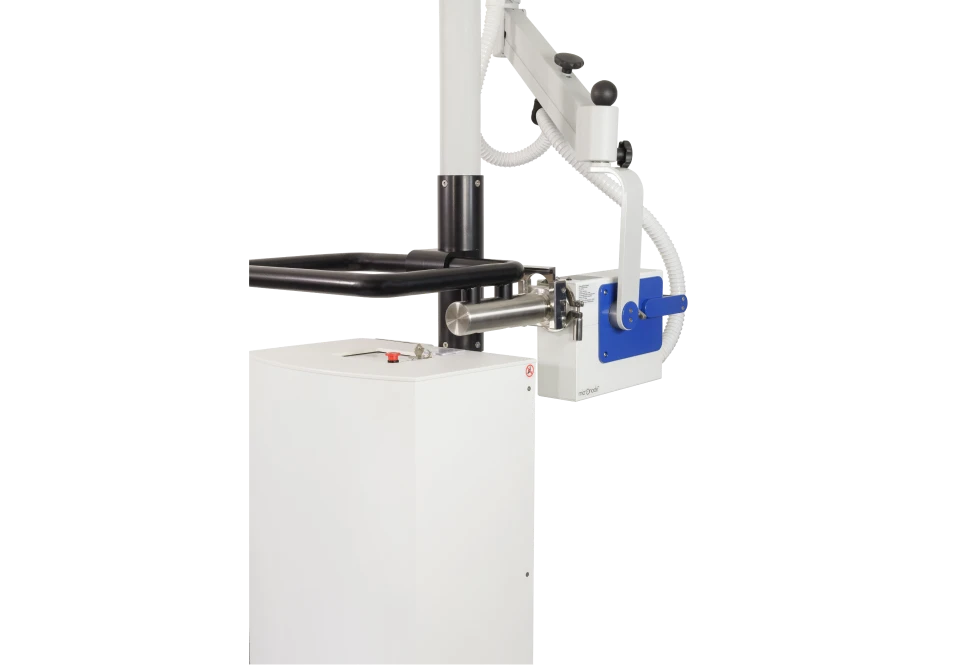
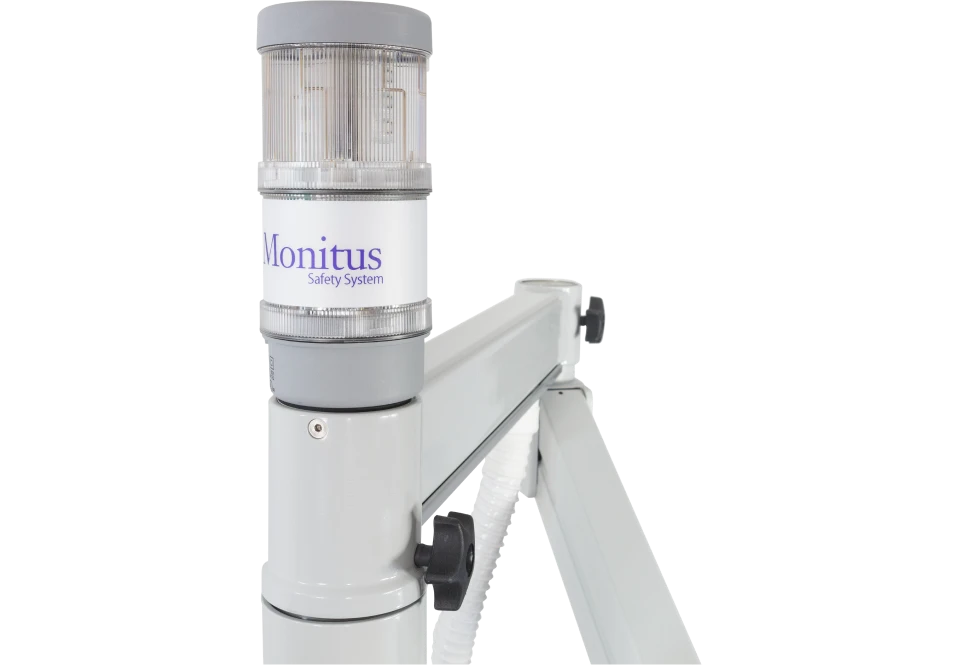
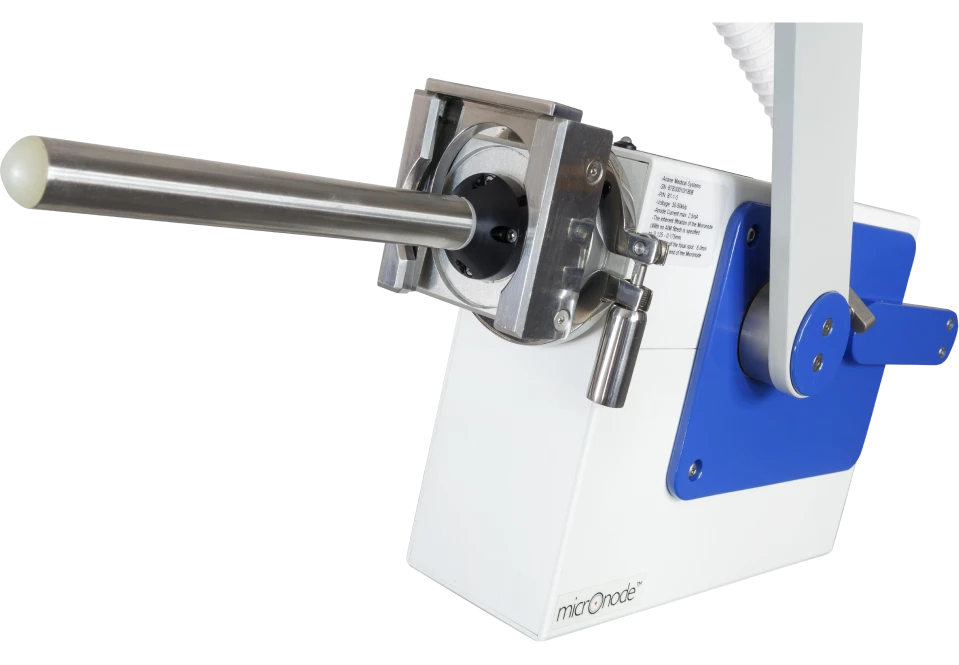
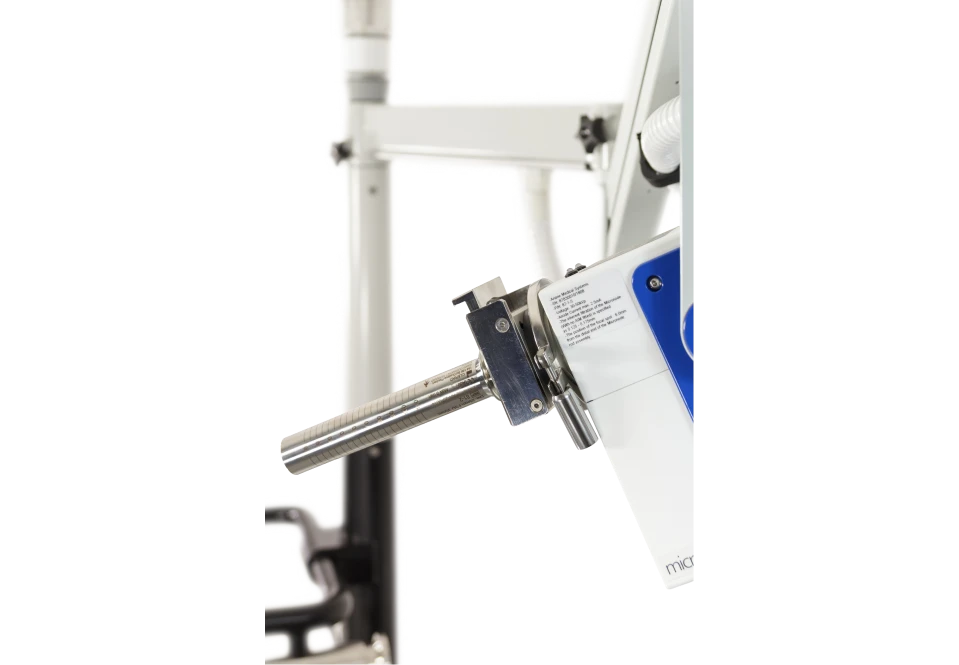
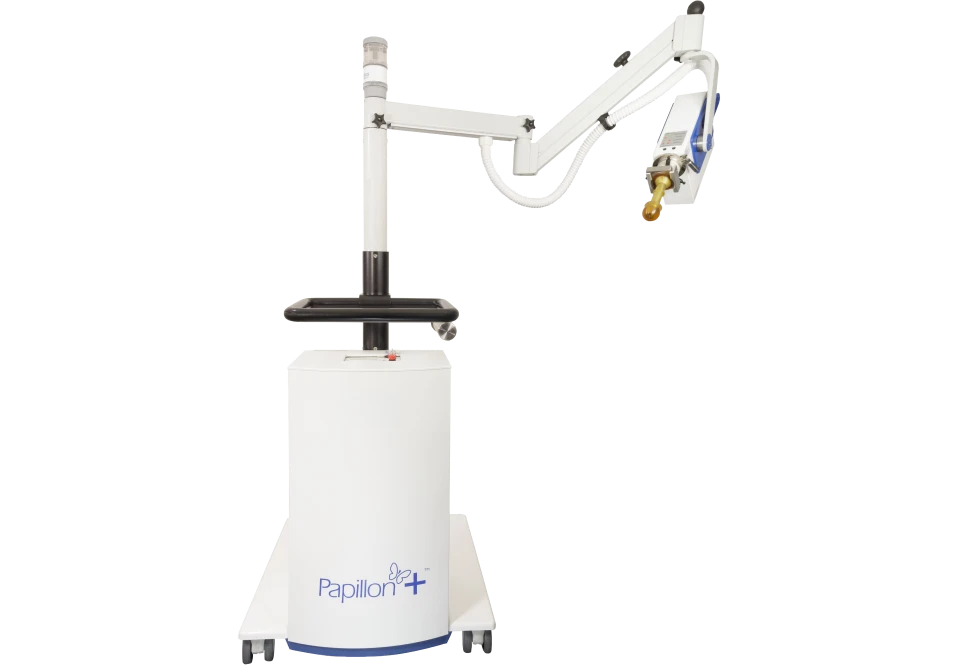
The Papillon+ system and its range of accessories are designed to deliver an optimal radiation dose to cancerous or suspected-cancerous tissues, while preserving healthy tissues, thanks to precise beam collimation and a precisely controlled depth of dose penetration.
This multimodality system seamlessly adapts to various clinical applications (skin, breast and rectal cancer), with parameters adjusted and tailored to indication. The use of low‑energy X‑rays reduces in facility constraints related to radiation, while maintaining high therapeutic efficacy.
Papillon+ acts as a compelling boost treatment, delivered in addition to conventional therapies.
View brochure
Intraoperative radiotherapy (IORT)
Treatment of basal cell carcinomas and squamous cell carcinomas; tumours of other histological types may also be treated, based on the clinical judgement of the lead physician.
Management of mid/low rectal adenocarcinomas, tumour size
Multiple applications: breast, skin, rectal cancer
Mobile ergonomics, optimized for system re-positioning
High dose rate (up to 25 Gy/min)
Rapid treatment delivery (in less than five minutes)
Rectal indication: clinically proven efficacy through the OPERA trial
Existing French reimbursement codes for skin and rectal indications
Diamètre de l’applicateur/débit de dose
• 30 mm > 38 Gy/min
• 35 mm > 30 Gy/min
• 40 mm > 20 Gy/min
• 45 mm > 14 Gy/min
• 50 mm > 10 Gy/min
Rendement en profondeur / uniformité du faisceau
> 50% à 6-7 mm
Stabilité de la dose délivrée à la surface : plus ou moins 5%
Taille du champ
Jusqu’à 310° d’émission sur une surface sphérique (dépend taille applicateur)
Qualité de faisceau
0,6 – 1,0 mm Al équivalent
DSP
15 à 25 mm
Diamètre de l’applicateur/débit de dose
• 20 mm > 12 Gy/min
• 25 mm > 12 Gy/min
• 30 mm > 12 Gy/min
Rendement en profondeur / uniformité du faisceau
> 50% à 6-7 mm
Stabilité de la dose délivrée à la surface : plus ou moins 5%
Taille du champ
20 – 25 – 30 mm de diamètre selon l’applicateur
Qualité de faisceau
0,65 mm + 0,05 Al équivalent
DSP
35 mm
Diamètre de l’applicateur/débit de dose
• 20 mm > 12 Gy/min
• 30 mm > 7 Gy/min
• 40 mm > 3 Gy/min
Rendement en profondeur / uniformité du faisceau
> 50% à 5-6 mm
Stabilité de la dose délivrée à la surface : plus ou moins 5%
Taille du champ
20 – 30 – 40 mm de diamètre selon l’applicateur
Qualité de faisceau
0,5 – 0,7 mm Al équivalent
DSP
29 à 54 mm
Maximum voltage: 50 kV
Anode current: 1.0 to 3.0 mA
Beam quality: 0.175 mm Al CDA (50 kVp)
Radiation angle: up to 310° (breast)
Weight: 130 kg
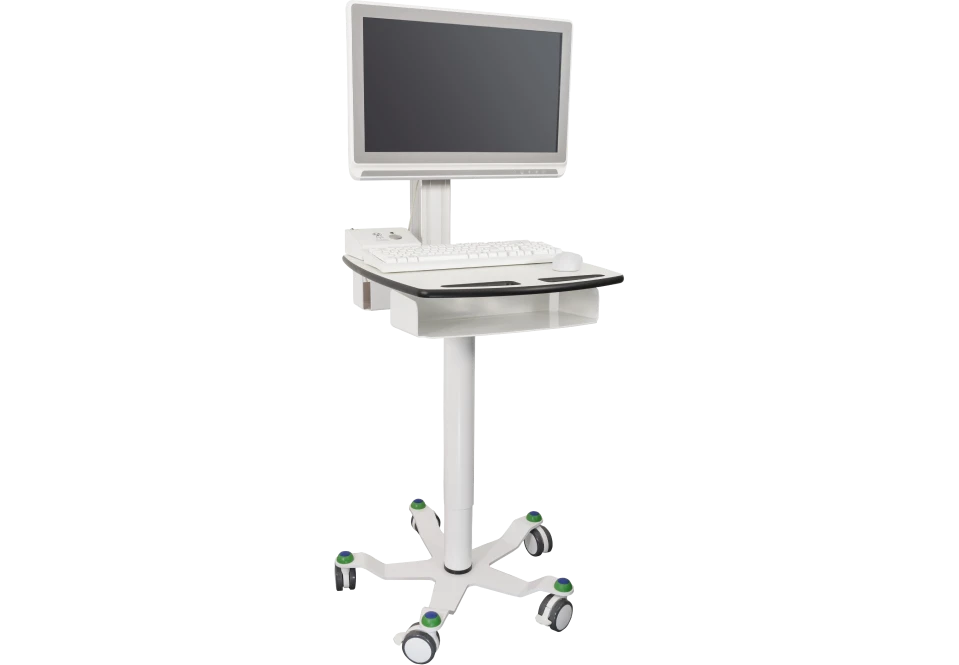
Battery‑powered operation, wireless connection between generator and computer unit
Quality management system certified to ISO 13485:2016
CE‑marked medical device, certified by GMED (CE 0459), in accordance with EU Regulation 2017/745
Maintenance and aftersales service provided directly from our headquarters, including guaranteed intervention within 48 hours.
Dedicated hotline assistance to support biomedical and clinical teams in daily practice.
Physician kit dedicated to measurements.

Dr Jérôme Durand-Labrunie
Radiation oncologist, Gustave Roussy Institute (Villejuif)
“The key advantage of Papillon+ is its dose rate. Something that other contact brachytherapy systems just do not offer, yet is so valuable, especially for patient comfort. For skin applications, it is hugely practical to be able to treat elderly patients in under two minutes.”

Dr Aurélien Robert
Radiation oncologist, Centre d’Oncologie et de Radiothérapie 37 (CORT37, Chambray‑lès‑Tours)
“The introduction of Papillon+ in our department embodies our vision of oncology for tomorow : using high‑precision technology in a way that works to preserve patient quality-of-life.”
Endocavitary contact radiotherapy (contact X‑ray brachytherapy), largely implemented with Papillon technology, was evaluated and validated within the OPERA trial (Organ Preservation for Early Rectal Adenocarcinoma), a European, multicentric, randomized phase-III clinical trial, coordinated by the Centre Antoine Lacassagne (Nice) under the direction of Prof. Jean‑Pierre Gérard.
Published in April 2023 in The Lancet Gastroenterology & Hepatology, the OPERA trial compared a contact X‑ray brachytherapy boost versus external beam radiotherapy boost, in combination with neoadjuvant chemoradiotherapy, in patients with mid or low rectal adenocarcinoma (cT2–cT3b, N0–N1) using an organ‑preservation approach*.
The results showed a significantly higher 3‑year rectal preservation rate with contact X‑ray brachytherapy (81 %) compared to the external beam radiotherapy arm (59 %).
In patients with tumours , the rectal preservation rate reached 93 %, highlighting the major clinical value of this technique in early rectal cancers, without significant impairment of rectal function or quality of life*.
Sources
• OPERA Trial – The Lancet Gastroenterology & Hepatology
• Gérard JP et al. Neoadjuvant chemoradiotherapy with radiation dose escalation with contact X‑ray brachytherapy boost or external beam radiotherapy boost for organ preservation in early rectal adenocarcinoma (OPERA), Lancet Gastroenterol Hepatol, avril 2023
• https://www.thelancet.com/article/PIIS2468-1253(22)00392-2
• Baron D. et al. 5‑year results of the OPERA trial, Annals of Oncology, février 2025 (suivi à long terme, confirmation des résultats)
Endocavitary contact X‑ray brachytherapy is included among the therapeutic options recognized in the Thésaurus National de Cancérologie Digestive (TNCD) for the management of selected patients with rectal cancer.
In its 2023 version, the TNCD cites this technique as part of the arsenal of rectal preservation strategies, either in combination with chemoradiotherapy or as an alternative to radical surgery, provides it includes rigorous patient selection, discussion in a specialized multidisciplinary tumour team, and management within expert centres.
Thanks to the delivery of a highly localized dose with rapid dose falloff, contact X‑ray brachytherapy aims to increase the complete clinical response rate, while preserving rectal function and quality of life, when appropriately indicated*.
Sources
• TThésaurus National de Cancérologie Digestive (TNCD) – Rectal cancer, September 2023
The content of this website is exclusively intended for healthcare professionals.