


John N. Aarsvod, Carmen M. Greene, Robert A. Mintzer, Sandra F. Grant, Toncred M. Styblo, Naomi P. Alazraki, Bradley E. Patt, Gina M. Caravaglia, Joshua Li, Jan S. Iwanczyk,
Intraoperative gamma imaging of axillary sentinel lymph nodes in breast cancer patients,
Physica Medica,
Volume 21, Supplement 1,
2006,
Pages 76-79,
ISSN 1120-1797,
https://doi.org/10.1016/S1120-1797(06)80030-X.
(https://www.sciencedirect.com/science/article/pii/S112017970680030X)
Abstract
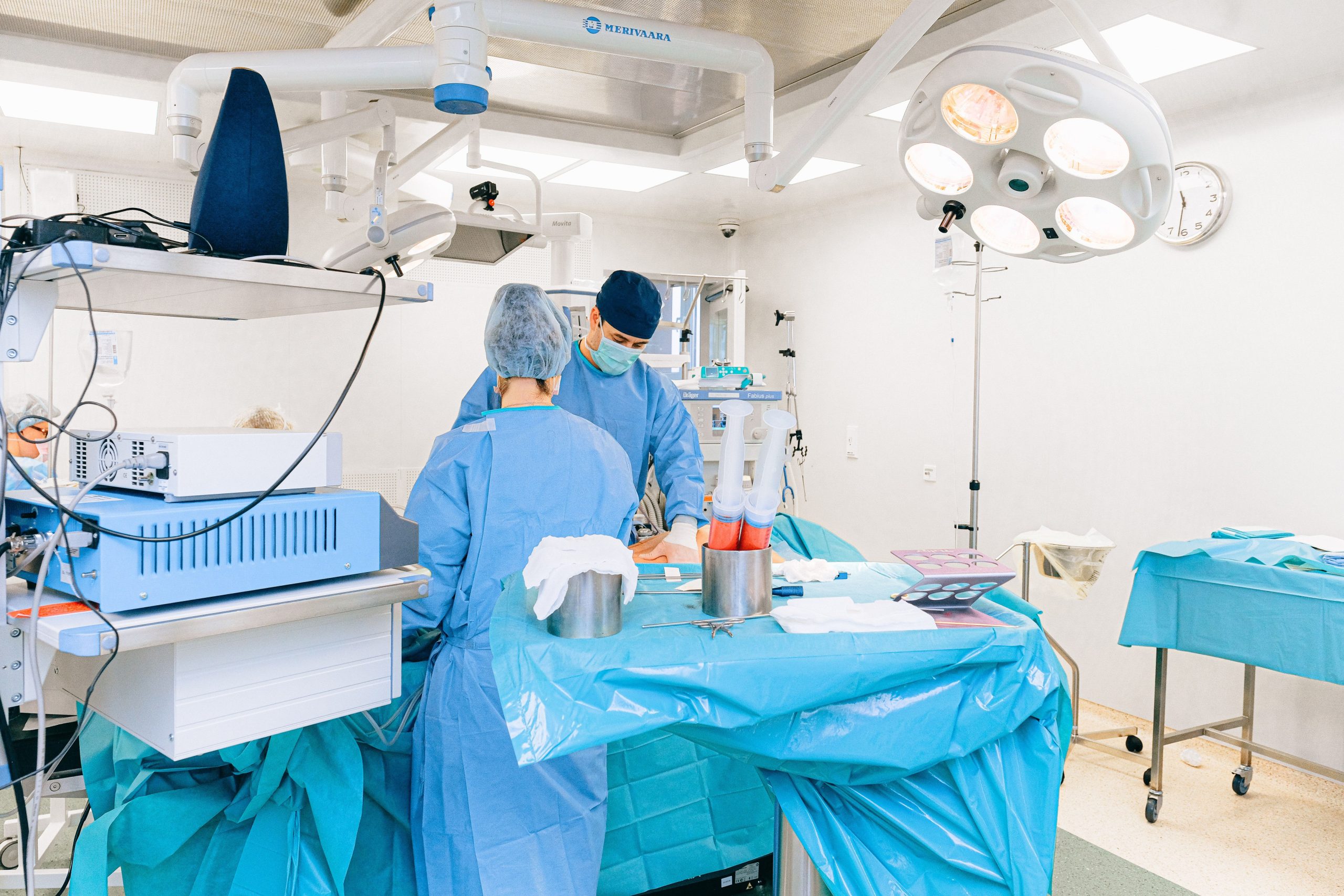
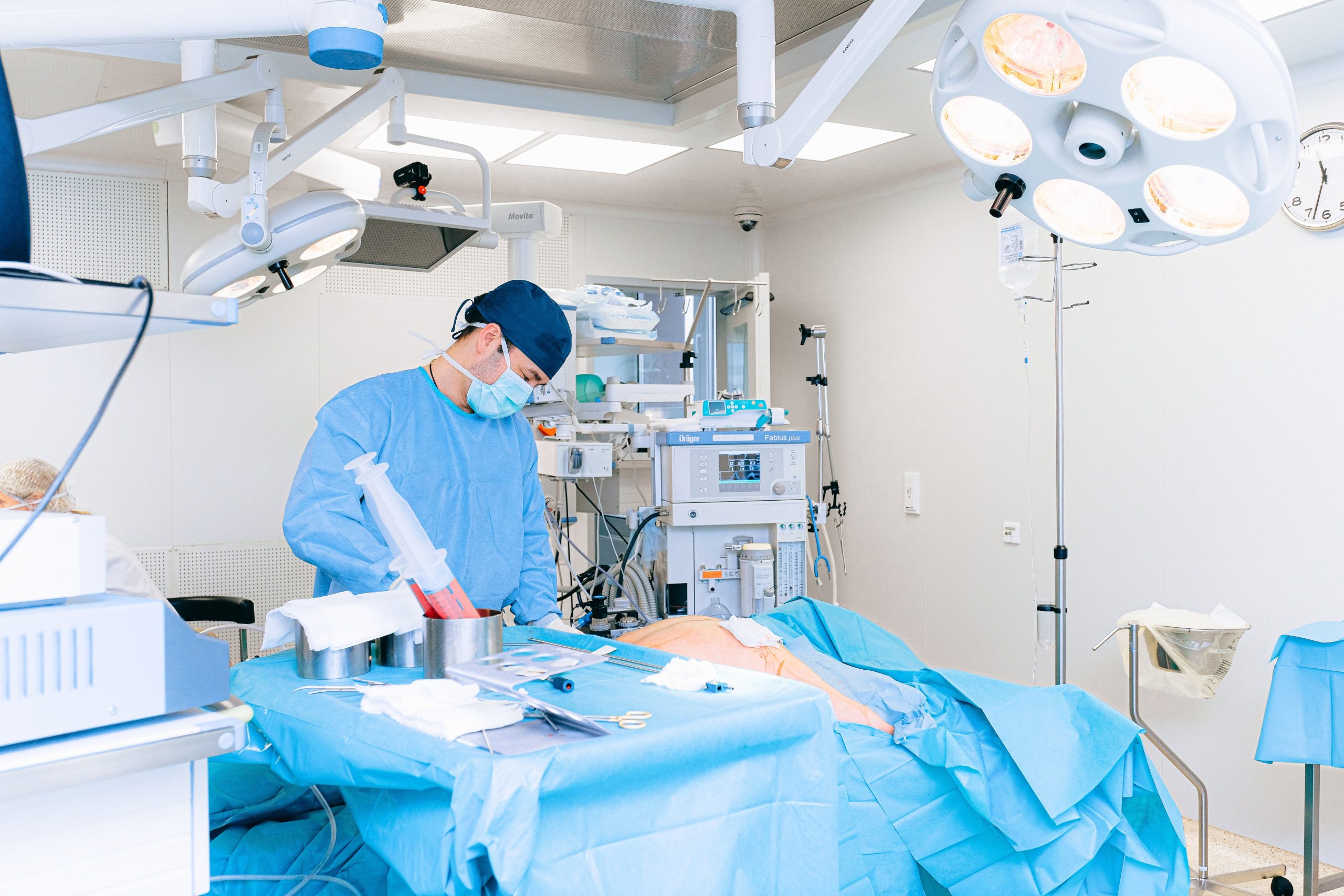
Sentinel lymph node (SLN) biopsy is now standard practice in the management of many breast cancer patients. Localization protocols vary in complexity and rates of success. The least complex involve only intraoperative gamma counting of radiotracer uptake or intraoperative visualization of blue-dye uptake; the most complex involve preoperative gamma imaging, intraoperative counting and intraoperative dye visualization. Intraoperative gamma imaging may improve some protocols. This study was conducted to obtain preliminary experience and information regarding intraoperative imaging. Sixteen patients were enrolled: 8 in a protocol that included intraoperative counting and dye visualization (probe/dye), 8 in a protocol that involved intraoperative imaging, counting and dye visualization (camera/probe/dye). Preoperative imaging of all 16 patients was performed using a GE 500 gamma camera with a LEAP collimator (300 cpm/μCi). The results of this imaging were not, however, given to the surgeon until the surgeon had completed the procedures required for the study. A Care Wise C-Trak probe was used for intraoperative counting. A Gamma Medica Inc. GammaCAM/OR (12.5 × 12.5 cm FOV) with a LEHR collimator (135 cpm/μCi) was used for intraoperative imaging. Times from start of surgery to external detection of a radioactive focus and to completion of excision of SLNs were recorded. Foci were detected preoperatively via imaging in 16/16 patients. Intraoperative external detection using the probe was accomplished in less than 4 min (mean = 1.5 min) in 15/16 patients, and via intraoperative imaging in 6/8 patients. The average time for completion of excision of nodes was 19 min for probe/dye and 28 min for camera/probe/dye. In one probe/dye case, review of the preoperative images prompted the surgeon to resume axillary dissection and remove one additional SLN.
Keywords: Intraoperative Imaging; Sentinel Lymph Node; Breast Cancer